Introduction
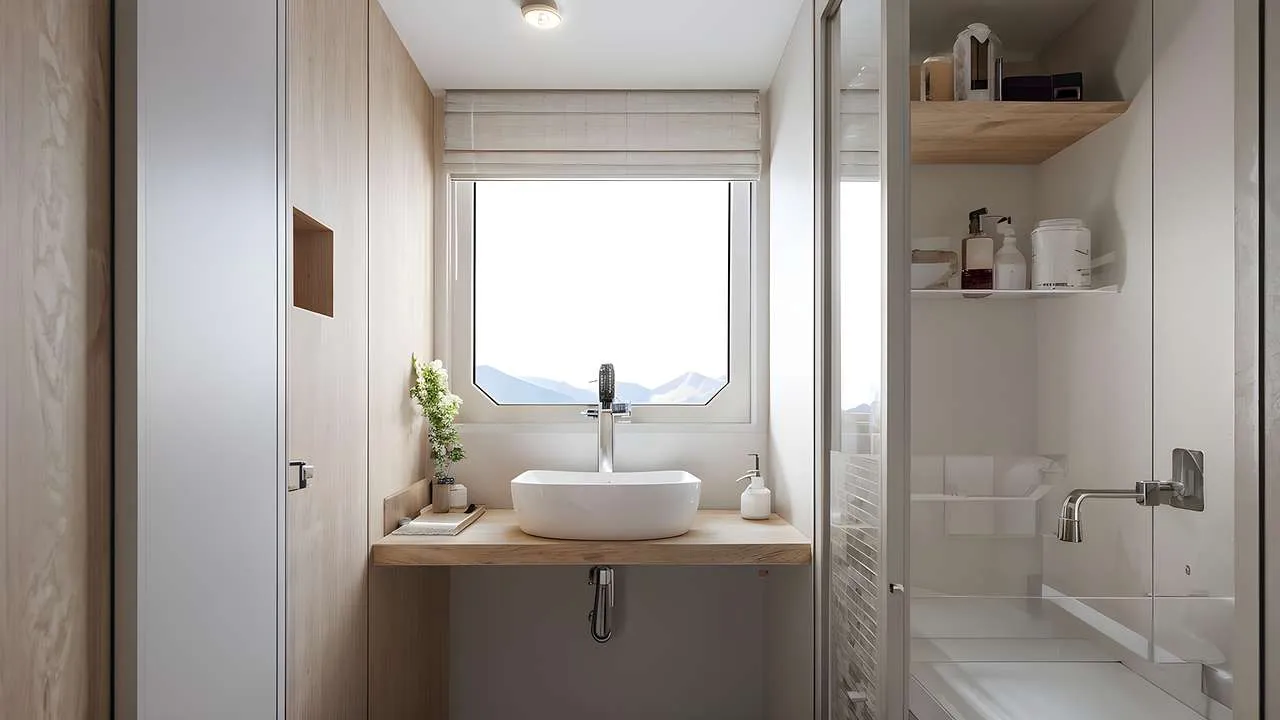
In small bathrooms, every inch matters. The right small bathroom ideas combine thoughtful layout, durable materials, and timeless finishes to create a room that feels larger and more functional. Here we share practical, experience-based tips to help homeowners and renters optimize space while preserving style and resale confidence.
Smart planning for compact spaces
Measure and map
Begin with precise measurements of doors, windows, plumbing, and ceiling height. Sketch a floor plan on graph paper or a design app to visualize traffic flow and identify dead zones. For most baths, reconfiguring just one element—like narrowing a vanity or moving a door by a few inches—can unlock valuable space.
Multi-functional fixtures
Prioritize fixtures that serve several roles: a vanity with integrated storage, a wall-hung toilet, and a shower with built-in niches. A suspended vanity creates an airy feel, while a frameless glass shower visually expands the room and reduces visual clutter.
Storage that disappears
Because cramped baths invite clutter, hidden storage is essential. Recessed medicine cabinets, tall slender cupboards, and floating vanities keep floor space open. Use shower niches for toiletries, mounted baskets for towels, and slimline pull-out organizers inside cabinets. If possible, choose sliding doors to reclaim wall space instead of swinging doors.
Layout and fixtures
Shower vs tub decisions
A compact walk-in shower with a clear glass enclosure often makes a small bathroom feel larger than a tub. If a tub is needed—perhaps for bathing children—consider a 4-piece tub-shower combo with an alcove and a shallow depth to maximize floor area elsewhere.
Toilet and vanity placement
Position the vanity across from the toilet to create a natural traffic line. A wall-hung toilet reduces visual bulk, while a pedestal or vessel sink can lighten the space. Ensure at least 24 inches of clear floor space in front of each fixture for comfortable movement.
Finishes, color, and lighting
Light-reflective surfaces can make a bathroom feel more expansive. White or off-white walls with pale tiles, combined with glossy or matte-finish fixtures, bounce light around the room. Choose large format tiles to limit grout lines and make cleaning easier. A mirror with integrated lighting or a backlit mirror doubles the perceived space and adds a touch of luxury.
Pro tips and common mistakes
- Avoid heavy window treatments in small baths; choose moisture-resistant roller shades or bathroom-friendly blinds.
- Ensure proper ventilation to protect against mold; a rated exhaust fan is essential.
- Invest in durable, water-resistant finishes and pipe-safe materials to extend the life of a compact bathroom.
- Use vertical storage and tall cabinets to draw the eye upward and create the illusion of height.
Layout options at a glance
| Layout Option | Best For | Pros | Cons |
|---|---|---|---|
| Linear layout with a shower-tub combo | Long, narrow baths | Simple plumbing, familiar flow | Can feel tight if not planned well |
| Corner shower with glass enclosure | Small corner spaces | Maximizes floor area, modern look | Limited tub options |
| Walk-in shower with sliding door | Compact baths needing accessibility | Open feel, fewer doors to swing | Water containment requires careful design |
| Pocket door or barn door | High-traffic baths | Reclaims floor space, seamless | Cost and wall structure considerations |
Conclusion, by applying these small bathroom ideas—smart planning, multi-functional fixtures, hidden storage, and thoughtful lighting—you can create a space that feels larger, functions better, and remains stylish for years to come.